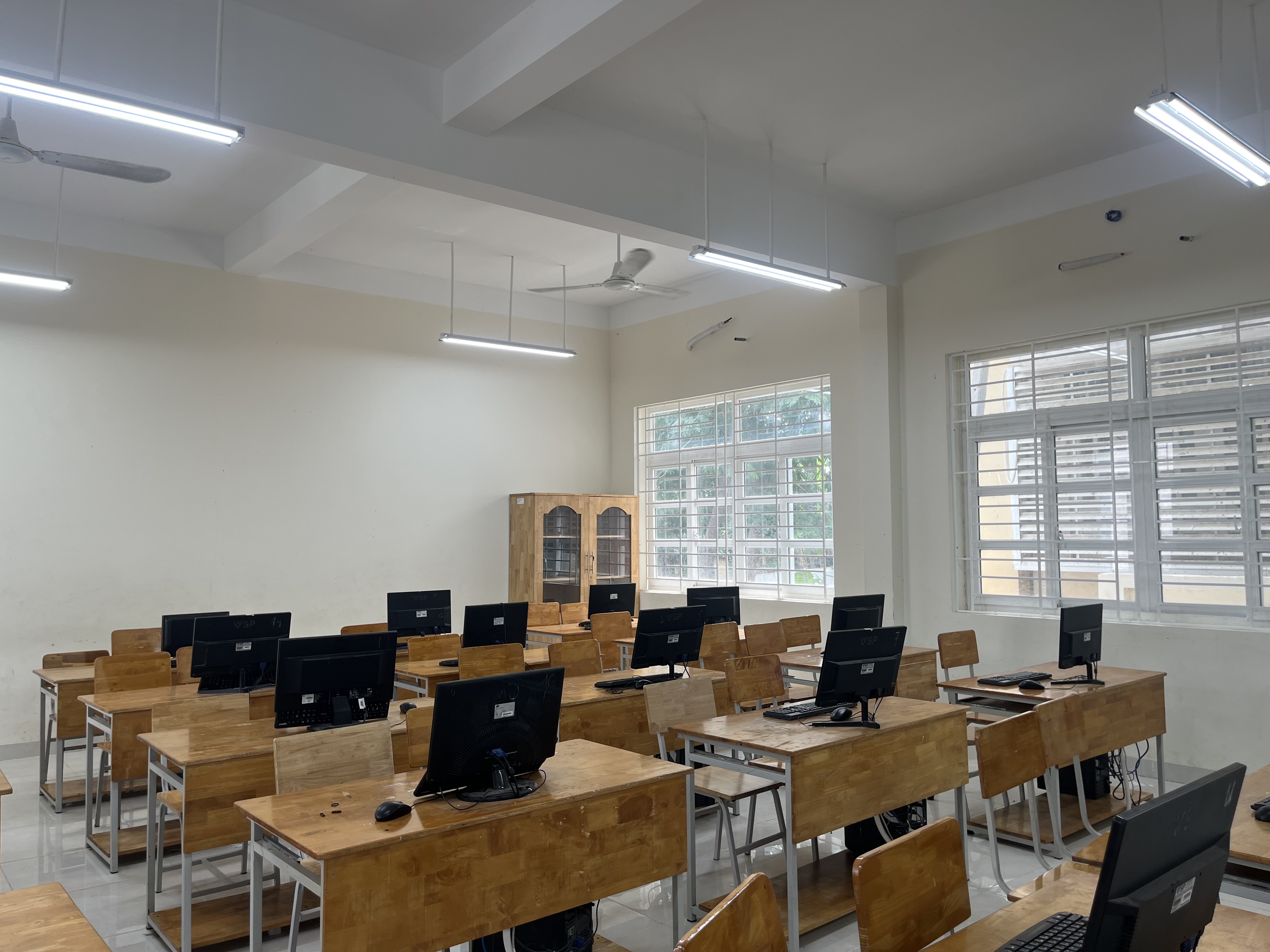
During this week, we visited two schools that receive support from the organization. At the first school, Thien Chi contributed to parts of the library, while at the second school, computers were provided.
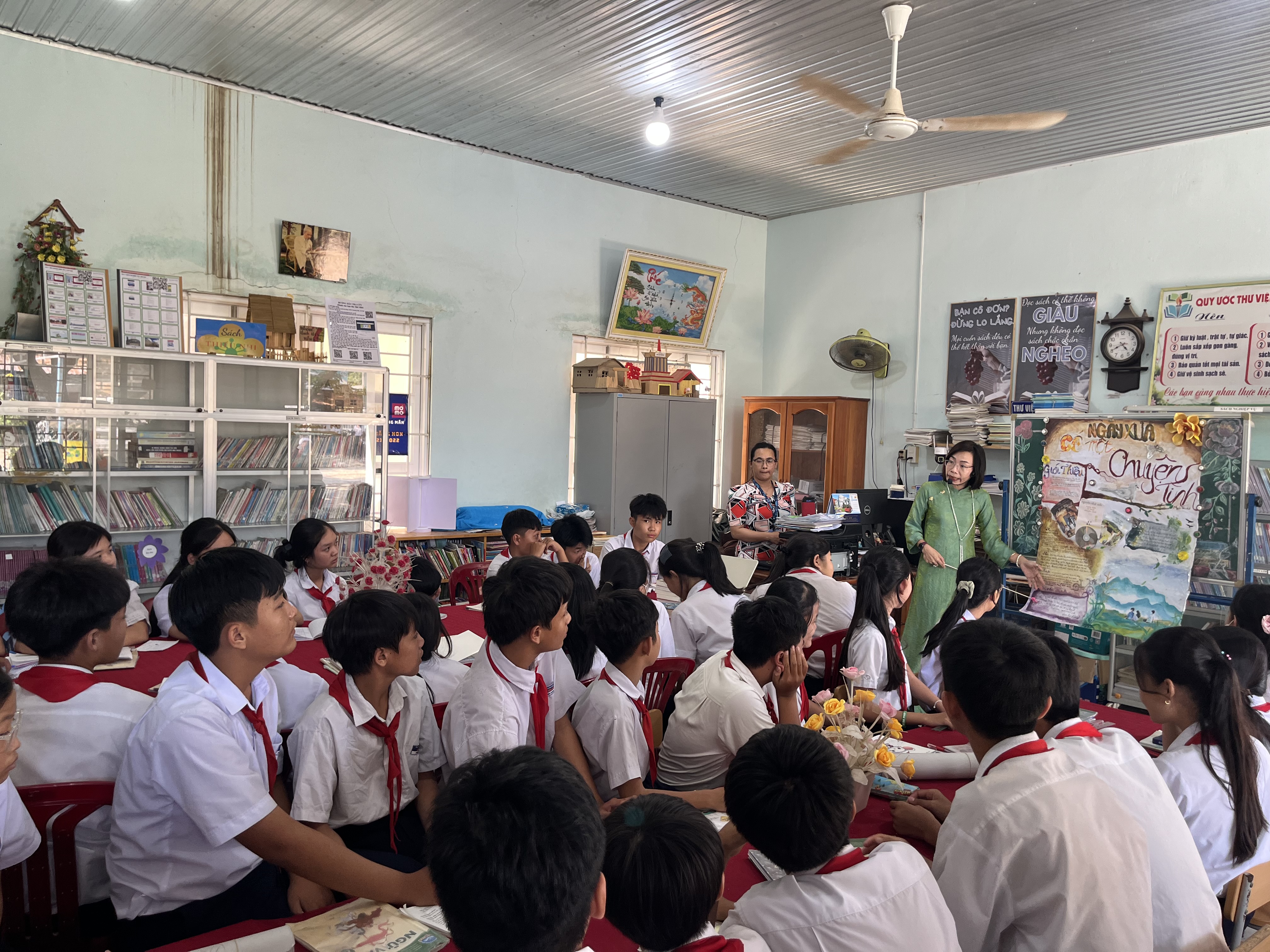
At the first school, we were welcomed by the principal before joining a class and observing a lesson. The students were all wearing their school uniforms, and the teachers were dressed in the traditional ao dai, a long and elegant garment that is commonly worn in Vietnam and reflects the formal setting of education. The classes were relatively large, with around 35 to 50 students in one classroom.

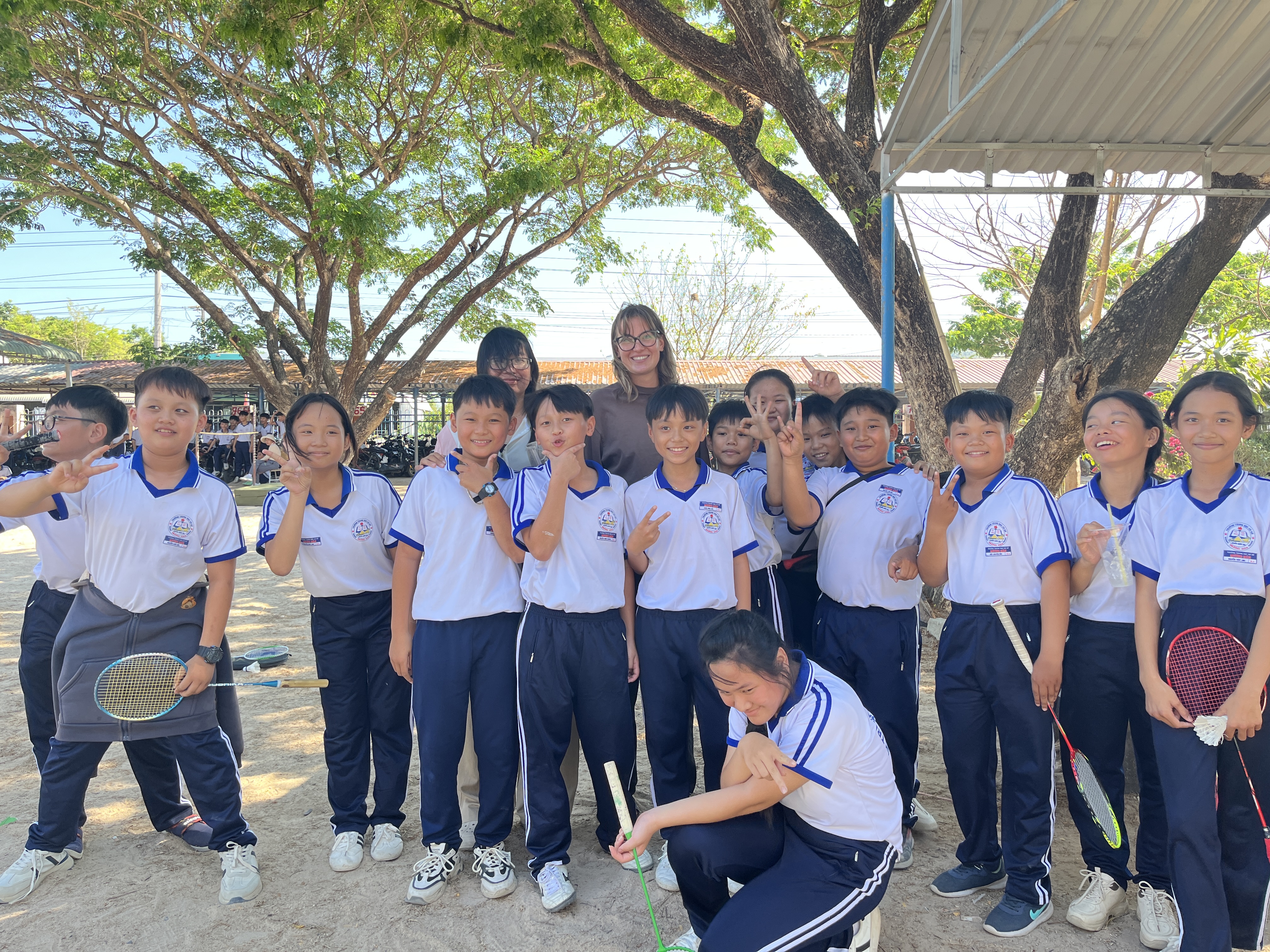
Moments like these make the Vietnamese education system more tangible. It is centrally organized and includes twelve years of formal education. The system is structured into several levels: preschool, primary school, lower secondary school, upper secondary school, and higher education. In total, formal schooling consists of five years of primary education, four years of lower secondary education, and three years of upper secondary education.
Preschool education starts as early as 18 months but is not compulsory and is often less accessible in rural areas. Primary school lasts five years and is mandatory, focusing on basic subjects such as Vietnamese and mathematics. However, not all children complete this level, as families may struggle to cover costs for materials like books and uniforms, and children are sometimes needed to support their households.
Lower secondary school continues for four years and is also compulsory, with students progressing without an entrance exam. At the end, they take a national assessment. Upper secondary school lasts three years but is no longer mandatory. Admission is based on entrance examinations, and students begin to specialize in certain subjects. Those who leave the system early often face limited job opportunities.
Higher education follows after the final national exam at the end of upper secondary school, which plays a key role in determining access to universities.
The Thien Chi Center provides support in areas where financial barriers affect access to education. This includes scholarships for children from low-income families to help cover school-related expenses such as materials and fees. For students from ethnic minority groups, additional challenges such as language barriers, long travel distances, and economic hardship can make it more difficult to continue their education. Support programs such as school equipment, libraries, and scholarships aim to reduce these obstacles.