Yesterday was my first day at the Thien Chi Center, and I would like to share my first impressions!
The manager of Thien Chi, Huyen, picked me up at my homestay at 7 a.m. It took us about 15 minutes to arrive at the office. Besides Huyen, there are seven women working here. The atmosphere was so warm and friendly that I immediately felt very welcome.
I was offered breakfast and coffee, and afterwards we introduced ourselves. Huyen showed me a presentation about the Thien Chi Center and explained their work and programs, which include microcredit, education, healthcare, agriculture, and a focus on sustainability.
I shared my knowledge and expectations, and we discussed what my tasks will be during my time here. Every morning, I will give a short English lesson to the staff. Speaking English is important for them, especially when fundraisers visit to learn more about the work of the Thien Chi Center. Therefore, the staff needs to be able to introduce the families they are supporting.
At 11:30, it was lunchtime. 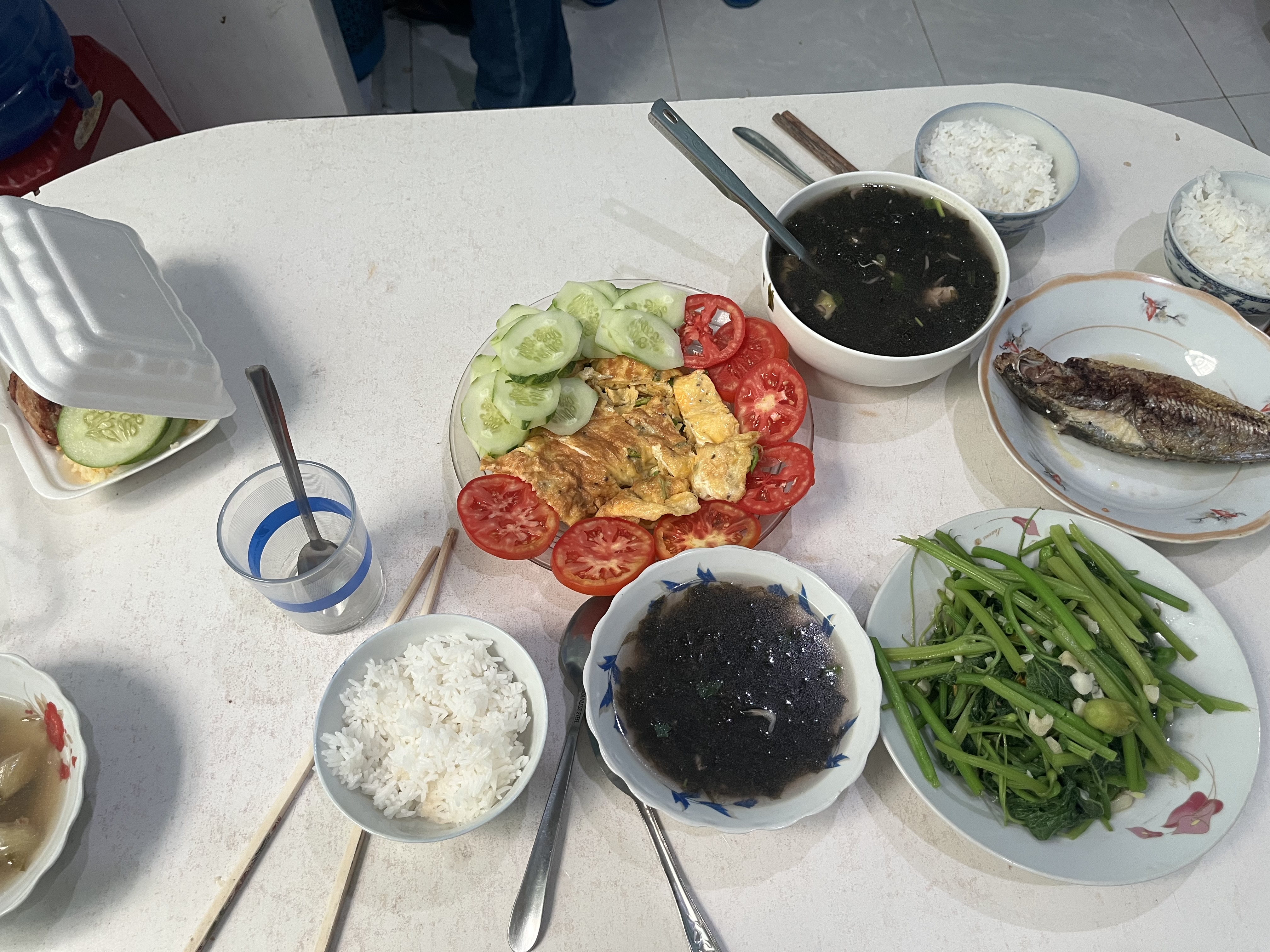
I ate together with some of the staff, and afterwards I went for a short walk down the street and relaxed at a nice coffee shop. At 13:30, the afternoon program started, and four of us took motorbikes to visit three families supported by the Thien Chi Center.
The first woman we visited is divorced twice and takes care of her two children on her own. With the help of the Thien Chi Center, she sells Bun Bo Vietnamese beef noodle soup), but she does not earn enough money. That is why the Thien Chi Center provides scholarships so that her children can go to school. Although school in Vietnam is public, families still need to pay for uniforms and books themselves.
We then visited another family nearby, where we met the father of a girl with a neurological impairment. The family received support from the Thien Chi Center to build a small house. The father used to work in construction but had a serious accident. In Vietnam, poor households receive health insurance from the local authorities, but not all medical expenses are covered. That is why the Thien Chi Center provided him with the financial support he needed. He is now healthy again, but not able to work as he did before.
To reach the last family, we had to drive through dragon fruit farms and along bumpy roads. The view along the way was absolutely beautiful.
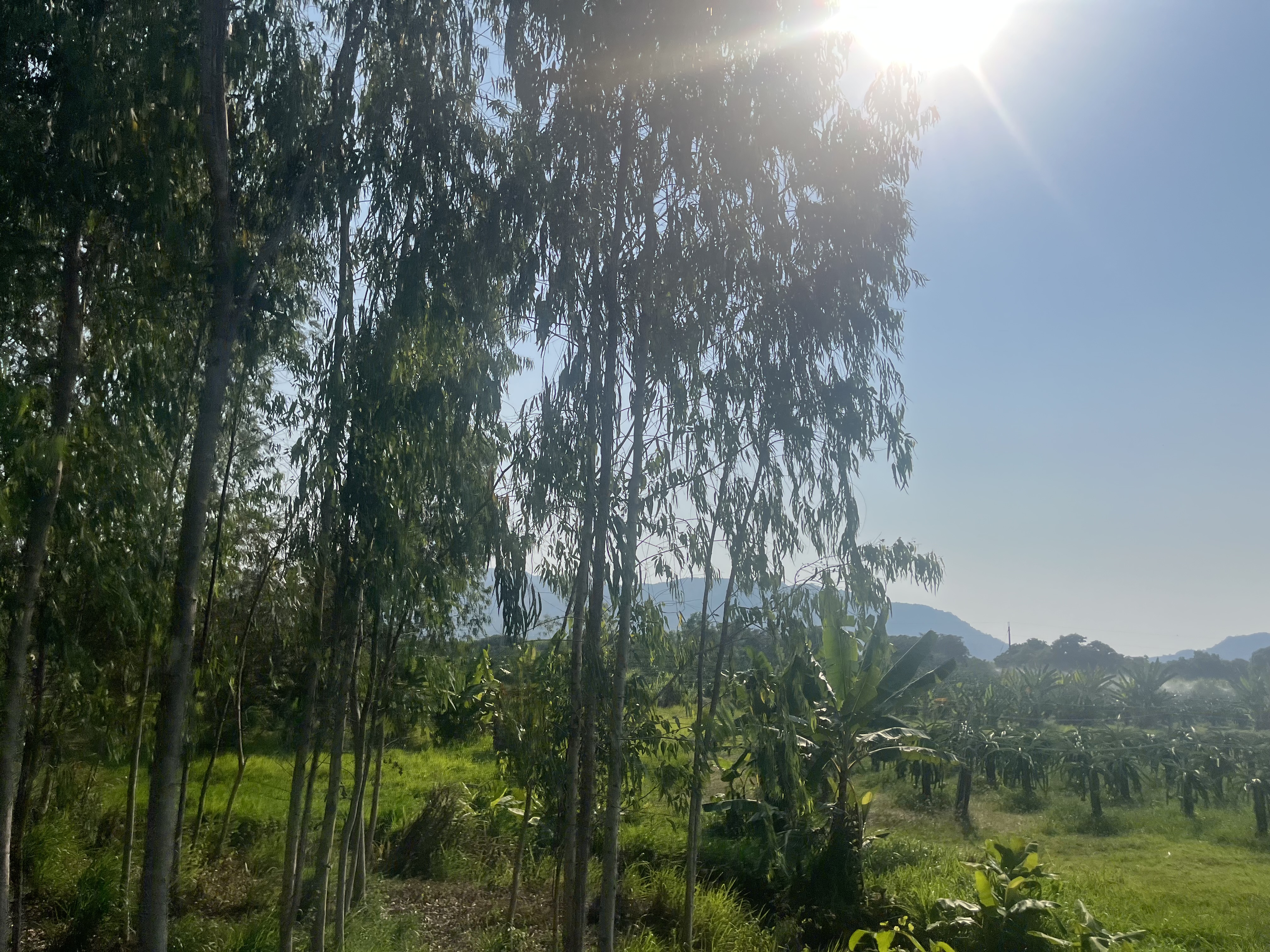
The family belongs to an ethnic minority group and does not own any farmland. They live in a stilt house that belongs to a security guard.
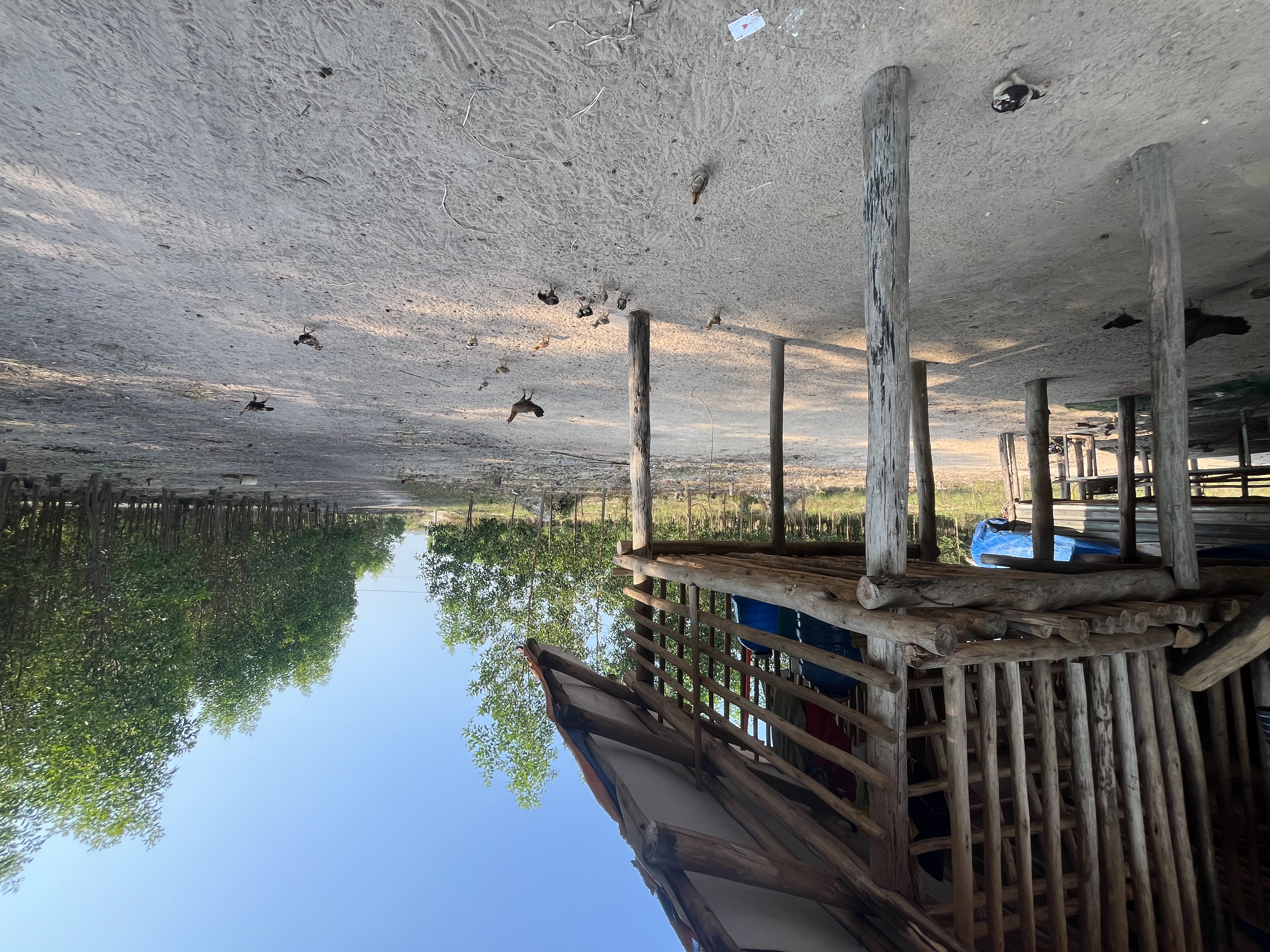
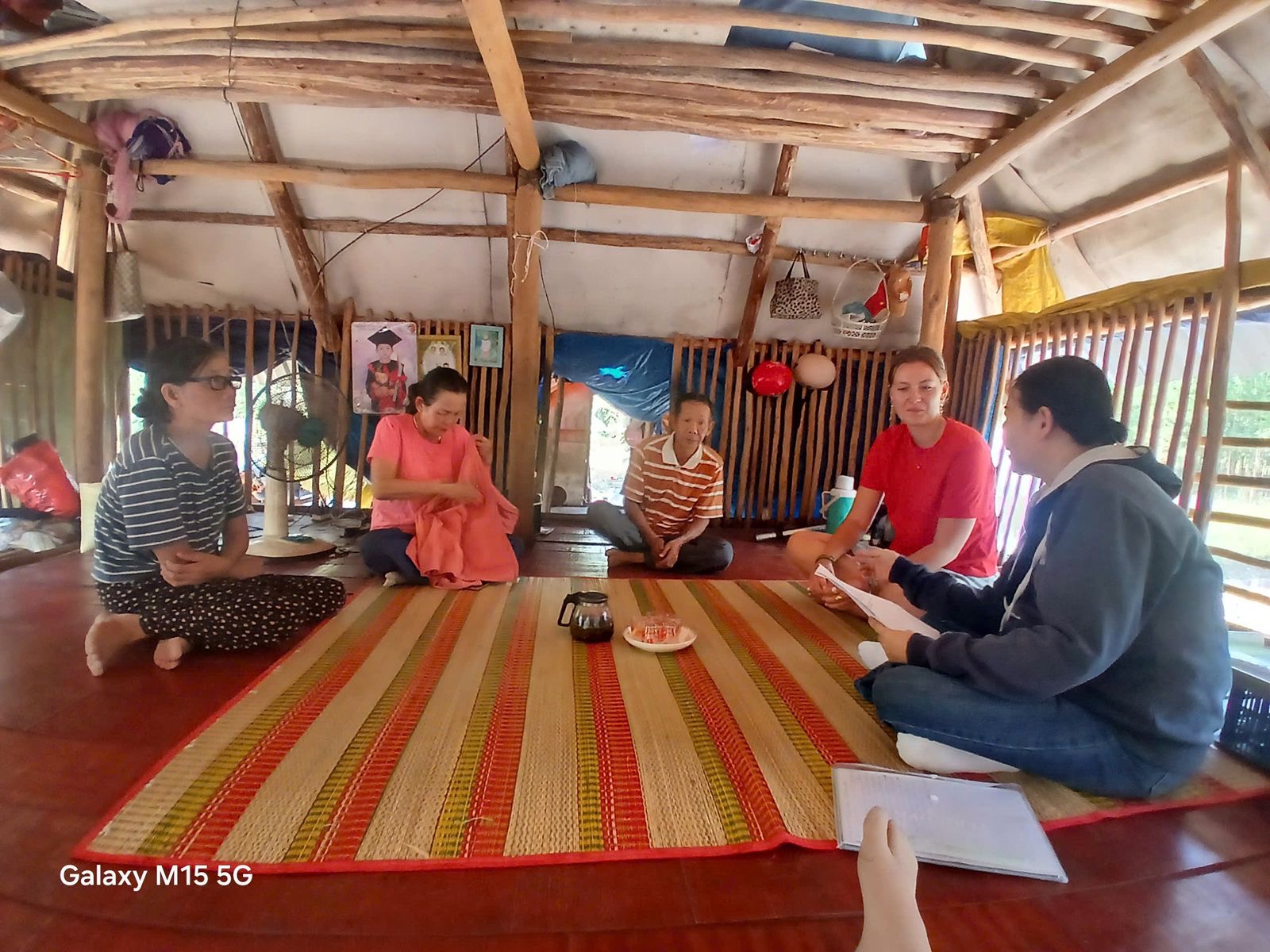
They take care of their grandchildren because their son left his children with them and rarely comes home. The grandfather is very old and no longer able to work, while the grandmother takes temporary labor jobs but earns very little money.